The late lunch hour often falls between 2 PM and 4 PM, presenting unique challenges like reduced energy and limited food options. Managing this period effectively means choosing meals and activities that maintain productivity and minimize the afternoon slump, a topic recently explored by the New York Times.
Understanding how to address the late lunch hour is valuable because traditional lunch breaks usually end earlier, and employees or individuals may feel sluggish without a proper routine. The New York Times has shed light on how adjusting meal timing and content can influence afternoon performance, making this a relevant topic for many.
This article will examine what constitutes the late lunch hour, how to plan meals and breaks to optimize energy levels, and practical tips to stay alert. You’ll find insights derived from current trends and advice similar to what has been discussed by the New York Times concerning effective midday routines.
Understanding the Late Lunch Hour and Its Effects

Typical Timing and Causes of the Afternoon Slump
The late lunch hour typically occurs between 2 PM and 4 PM, later than the conventional 12 PM to 1 PM lunch window. During this time, many people experience decreased energy and focus, largely due to circadian rhythm dips and earlier meal timing that leaves the body craving fuel.
This natural dip in alertness is often referred to as the afternoon slump, and it can interfere with productivity if not managed properly. Recognizing this window helps individuals plan meals and breaks strategically to counteract sluggishness.
- Common time frame: 2 PM – 4 PM
- Linked to circadian rhythm lows
- Affected by morning and lunchtime nutrition
Why Meal Timing Matters in the Mid-Afternoon
Skipping or delaying lunch can make the late lunch hour more challenging, intensifying hunger and fatigue. Eating at consistent times helps regulate blood sugar levels and supports sustained energy throughout the day.
The New York Times has reported on studies suggesting that adjusting meal timing or introducing a smaller late lunch can better align with individual energy needs and help reduce that afternoon energy drop.
Optimal Meal Choices During the Late Lunch Hour

Foods That Support Sustained Energy
Selecting foods rich in protein, fiber, and healthy fats provides a gradual energy release, preventing spikes and crashes in blood sugar. Examples include lean meats, nuts, legumes, and whole grains.
Avoiding excessive simple carbohydrates and sugary snacks during the late lunch hour helps maintain focus and alertness, allowing you to power through the rest of the day without a crash.
- Lean proteins (chicken, tofu)
- Complex carbohydrates (quinoa, brown rice)
- High-fiber vegetables
- Healthy fats (avocado, nuts)
Meals to Avoid for Mid-Afternoon Slumps
Heavy, greasy, or overly processed meals during the late lunch hour tend to increase drowsiness and sluggishness. Foods high in refined sugars can cause rapid energy spikes followed by steep drops.
The New York Times highlights that while comfort foods are tempting, choosing lighter, balanced options facilitates clearer thinking and sustained energy in the afternoon.
- Fried foods
- Sugary desserts
- Refined carbs like white bread
- Excessively large portions
Strategies to Manage Energy and Productivity Post-Late Lunch

Incorporating Physical Activity and Movement
Adding light exercise or stretching after the late lunch hour helps counteract the natural lethargy that follows eating. A brief walk or gentle stretching stimulates circulation and can refresh focus and mental clarity.
Even short breaks for movement can improve mood and alertness, making it easier to stay productive during the slower late afternoon hours.
- 5-10 minute walk
- Desk stretches
- Standing breaks
Hydration and Its Role in Afternoon Alertness
Dehydration often worsens feelings of tiredness after eating. Drinking water consistently throughout the day, including the late lunch hour, supports cognitive function and energy levels.
The New York Times suggests that replacing sugary drinks with water or herbal teas during this time enhances hydration without the energy rollercoaster associated with caffeine or sugar.
- Aim for 8 oz water post-lunch
- Try herbal teas for variety
- Limit sugary or caffeinated drinks
Planning Your Work Schedule Around the Late Lunch Hour
Scheduling Tasks to Match Energy Levels
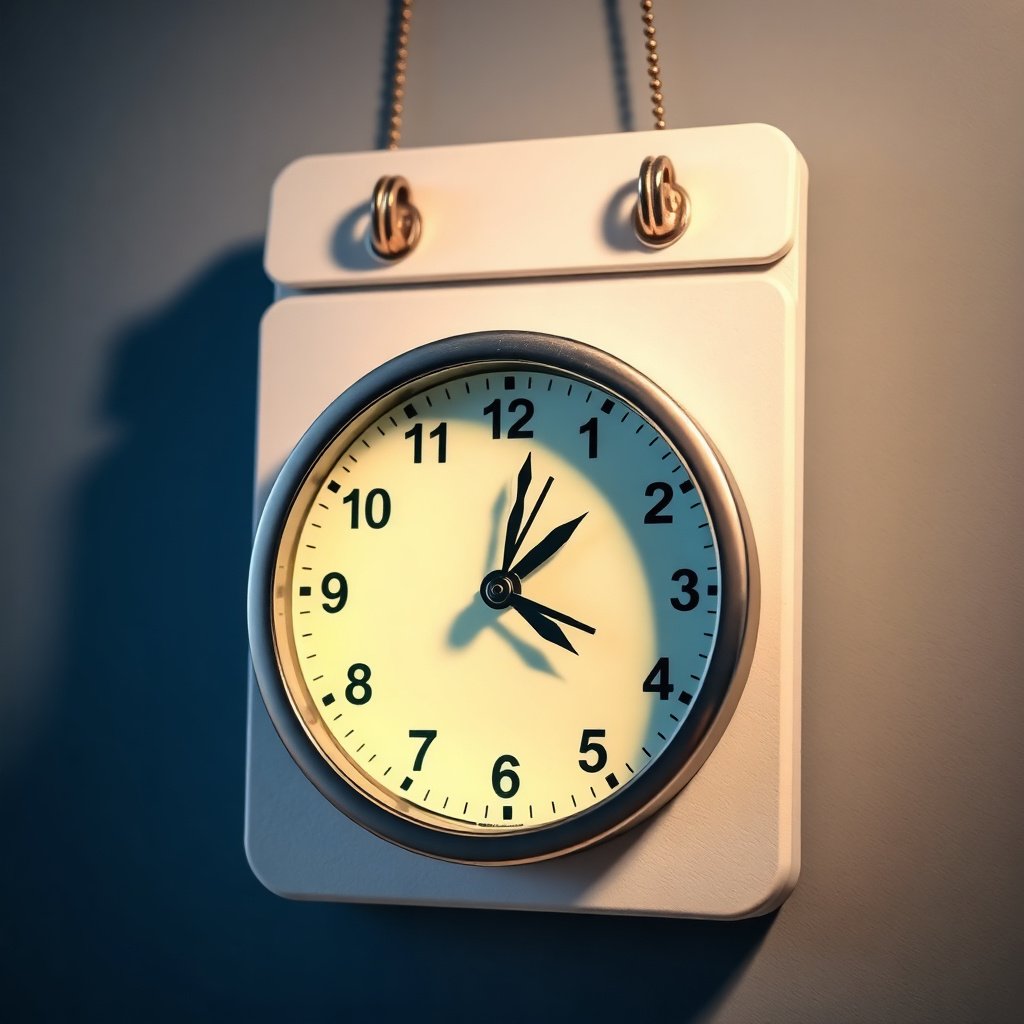
Identify your personal energy peaks and plan demanding tasks for when you feel most alert. For many, the late lunch hour marks a natural slowdown, so scheduling routine or less intensive work during this time helps maintain productivity.
Creative or highly focused tasks may benefit from being set before or after the late lunch hour when mental clarity is naturally higher.
- Routine tasks during 2-4 PM
- High-focus work in morning
- Use breaks strategically
Using Breaks to Re-energize Strategically
Breaking up the late lunch hour with short, purposeful breaks can reduce fatigue. Techniques like mindfulness, deep breathing, or a brief social interaction improve mental wellness and prepare you for the afternoon stretch.
Planning these breaks just after your meal facilitates digestion and combats the tendency to slump into less productive work patterns.
- Mindfulness exercises
- Deep breathing
- Brief walks
- Social chats
Tools and Apps for Managing the Late Lunch Hour
Meal Planning Apps to Support Late Lunch Nutrition
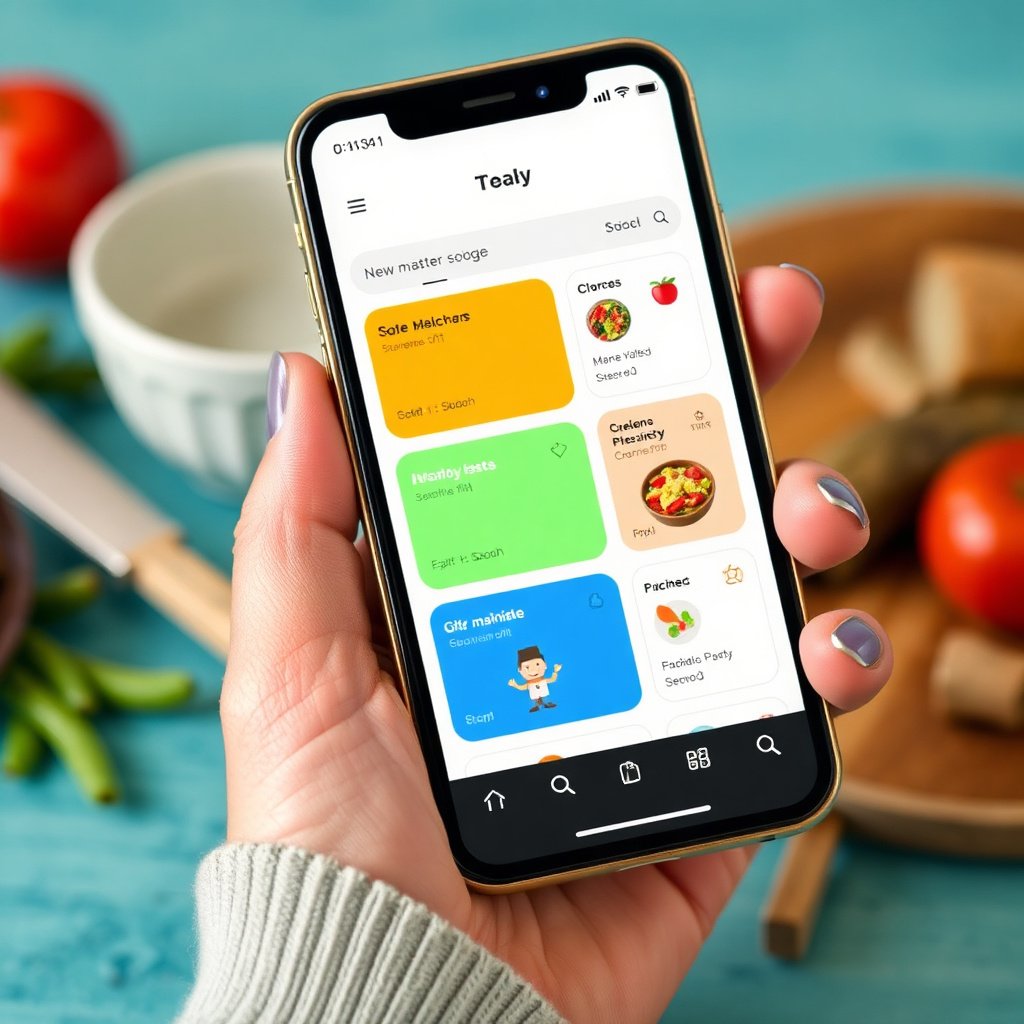
Apps that help schedule and plan balanced meals can guide your choices for the late lunch hour, offering recipes and reminder alerts. Such tools support consistent meal timing and better nutritional decisions.
Many apps integrate with grocery lists and track nutritional intake, making it easier to maintain a diet that supports steady energy throughout the afternoon.
- Meal reminders
- Recipe suggestions
- Nutritional tracking
Productivity Apps That Account for Afternoon Energy Dips
Certain productivity apps incorporate focus timers and reminders for breaks that align with natural energy cycles. These help users recognize when to adjust workload around the late lunch hour for better concentration.
Utilizing such apps encourages mindful work habits and better management of the natural dip many experience during this time.
- Focus timers
- Break reminders
- Energy-level trackers
How Understanding the Late Lunch Hour Can Improve Wellbeing

Mental Health Benefits of Balanced Midday Routines
Respecting the body's natural rhythms with a well-planned late lunch hour can reduce stress and improve mood. Taking time for nourishment and brief rest helps sustain motivation and job satisfaction.
The New York Times has discussed how structured breaks and mindful eating during the afternoon contribute to overall mental wellness and reduced burnout.
For an in-depth exploration of how meal timing affects work performance, see this New York Times article on meal timing and productivity. New York Times article on meal timing and productivity.
Long-Term Advantages of Adjusting Late Lunch Habits
Adopting a thoughtful approach to the late lunch hour supports better digestion, sleep quality, and daily energy balance. Over time, this leads to healthier lifestyle patterns with fewer energy crashes and improved day-to-day functioning.
These benefits align with recent health insights emphasizing consistent meal timing and balanced nutrition as foundational to sustained wellbeing.
Late Lunch Hour Meal Options Category Comparison
Here’s a comparison of common late lunch hour meal categories highlighting their impact on energy, digestion, and ease of preparation.
| Meal Category | Energy Stability | Digestion Impact | Preparation Time | Recommended For |
|---|---|---|---|---|
| Light Protein and Veggies | High | Low | 10-15 min | Office workers, busy afternoons |
| Heavy Carbs and Fried Foods | Low | High/sluggish | 20-30 min | Comfort food seekers |
| Mixed Salad with Lean Protein | High | Low | 5-10 min | Health-conscious eaters |
| Sugary Snacks and Pastries | Quick spike, then crash | Moderate | Minimal | Occasional treat |
| Prepacked Meals | Varies | Varies | 0-5 min | Convenience focus |
Frequently Asked Questions
Is it better to eat a large lunch during the late lunch hour or several small snacks?
Eating several small, balanced snacks spaced throughout the late lunch hour sustains energy better than one large, heavy meal that can lead to sluggishness.
Can I drink coffee during the late lunch hour without affecting my sleep?
Limiting caffeine intake after early afternoon helps avoid sleep disturbances; herbal teas or water are preferable during the late lunch hour.
What should I avoid eating to prevent afternoon energy crashes?
Avoid foods high in refined sugars, heavy fried items, and refined carbohydrates during the late lunch hour to reduce risk of energy crashes.
How long should a break be after eating during the late lunch hour?
Short breaks of 5 to 15 minutes for light activity or relaxation help digestion and refresh mental focus.
Does timing my late lunch impact my overall daily productivity?
Yes, scheduling your late lunch at a consistent time aligned with your energy cycle can improve overall productivity and reduce afternoon fatigue.
Key Takeaways
- The late lunch hour is a distinct energy low between 2 PM and 4 PM requiring strategic meal and break planning.
- Balanced meals with protein, fiber, and healthy fats support sustained energy better than heavy or sugary foods.
- Incorporating light physical activity and hydration post-lunch can mitigate the afternoon slump.
- Planning tasks considering your energy levels enhances afternoon productivity during and after the late lunch hour.
Conclusion
Managing the late lunch hour effectively hinges on understanding your individual energy patterns and choosing meals that supply consistent fuel without causing lethargy. Integrating hydration, movement, and appropriate breaks shapes a routine that reduces the typical afternoon decline, allowing for more sustained focus and less fatigue during the day. Awareness of the timing and content of your late lunch supports both mental alertness and overall wellbeing.
For those experiencing significant afternoon slumps, lighter meal options such as salads with lean proteins or small balanced snacks typically work best. Meanwhile, individuals with highly demanding schedules may benefit from preplanned meals and activity breaks during the late lunch hour to keep energy stable. Tools like meal planning and productivity apps that respect natural energy variations can further refine this approach, as discussed in the New York Times insights, making midday routines more manageable and beneficial.
Taking control of the late lunch hour by making thoughtful meal choices and scheduling mindful breaks will enhance your afternoon experience. Start by tracking your natural energy dips and experimenting with different meal timings or compositions. With practice, this focus on the late lunch hour will contribute to more productive afternoons and improved daily balance.